Exploring the Vibrant Contrasts: Chinese Language and Hispanic Festivals and Celebrations
Category : |
Sub Category : Posted on 2023-10-30 21:24:53
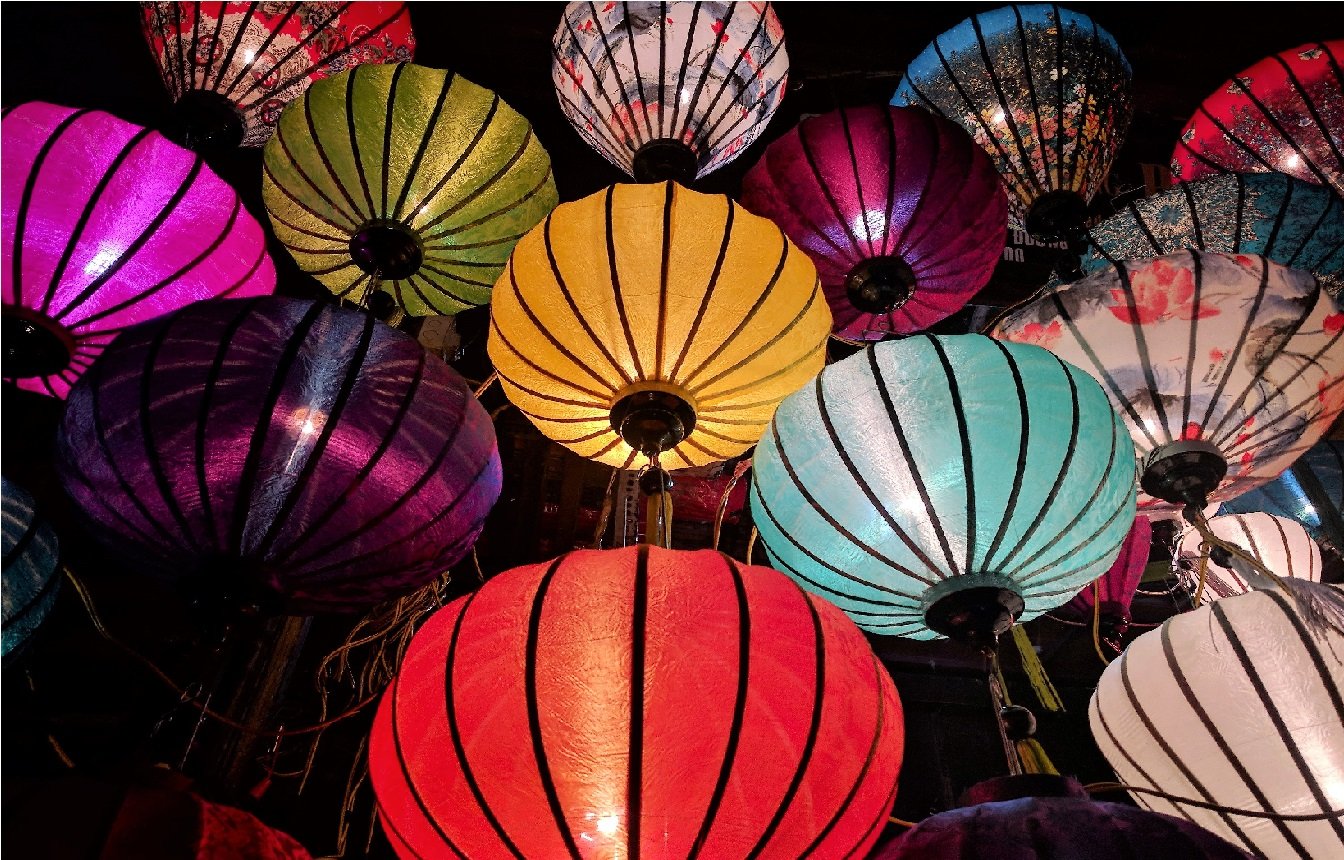
Introduction Languages and cultures have a unique way of intertwining, creating a beautiful tapestry of diversity that enriches the human experience. In this blog post, we will delve into the fascinating intersection of Chinese language and Hispanic festivals and celebrations, exploring the vibrant contrasts that highlight the beauty of these cultural expressions. From language connections to shared symbolism, get ready to discover the remarkable similarities and differences between these two traditions. The Influence of Language One of the significant factors that connect Chinese culture and Hispanic celebrations is the influence of language. Chinese, as a tonal language, is known for its intricate characters and melodic tones. Similarly, Hispanic celebrations are often filled with lively music and rhythmic dances that reflect the cultural diversity of the Spanish-speaking world. While Chinese language and Hispanic celebrations may appear distinct at first glance, they share a common thread: the celebration of sound and its ability to evoke joy, excitement, and cultural pride. Both Chinese language and Hispanic festivals showcase the power of language in bringing people together and expressing their unique traditions. Spring Festival and Lunar New Year: A Tale of Two Celebrations Chinese Spring Festival, also known as Lunar New Year, and Hispanic celebrations both embody the spirit of new beginnings and the renewal of hope and prosperity. While the Chinese Spring Festival follows the lunar calendar, Hispanic celebrations like Carnival and Da de los Reyes Magos (Three Kings' Day) also mark the start of new beginnings in various countries. The Chinese Spring Festival is famous for vibrant red decorations, firecrackers, family reunions, and the exchange of red envelopes filled with money. In contrast, Hispanic celebrations may feature colorful parades, intricate costumes, and traditional foods like tamales and empanadas. Despite these differences, what remains constant is the shared desire to bring good fortune and happiness into the new year. The symbolic gestures and customs associated with these celebrations reflect a deeper connection between humanity's desire for renewal and the power of tradition. The Role of Food in Celebrations Food plays an integral role in both Chinese and Hispanic cultures, particularly during festivals and celebrations. In Chinese culture, delicious dishes such as dumplings and long noodles are prepared to bring good luck and longevity. Similarly, Hispanic festivals often highlight traditional foods like paella, churros, and tamales, which bring people together to share in the joy of delicious flavors. Beyond the flavors, the act of preparing and sharing food serves as a unifying force, emphasizing the importance of community and family ties. From elaborate banquets to street food stalls, both Chinese and Hispanic cultures embrace the idea that sharing a meal is an opportunity to bond, to express love, and to celebrate life's special moments. Conclusion Chinese language and Hispanic festivals and celebrations represent a captivating fusion of culture, tradition, and communal spirit. Despite their differences, these two traditions remind us of the universality of human experiences - the desire for new beginnings, the joy of coming together, and the appreciation of cultural heritage. Exploring the vibrant contrasts between the Chinese language and Hispanic celebrations not only expands our cultural knowledge but also fosters a deeper understanding of the world we live in. Let us celebrate the diversity that languages and festivals bring, for they unite us and add color to our lives. for more http://www.soitsyou.com If you're interested in this topic, I suggest reading http://www.hispanicblogger.com


