The Rise of Chinese Language Learning and its Impact on Lighting in Multi-Family Mixed-Use Projects in the USA
Category : |
Sub Category : Posted on 2023-10-30 21:24:53
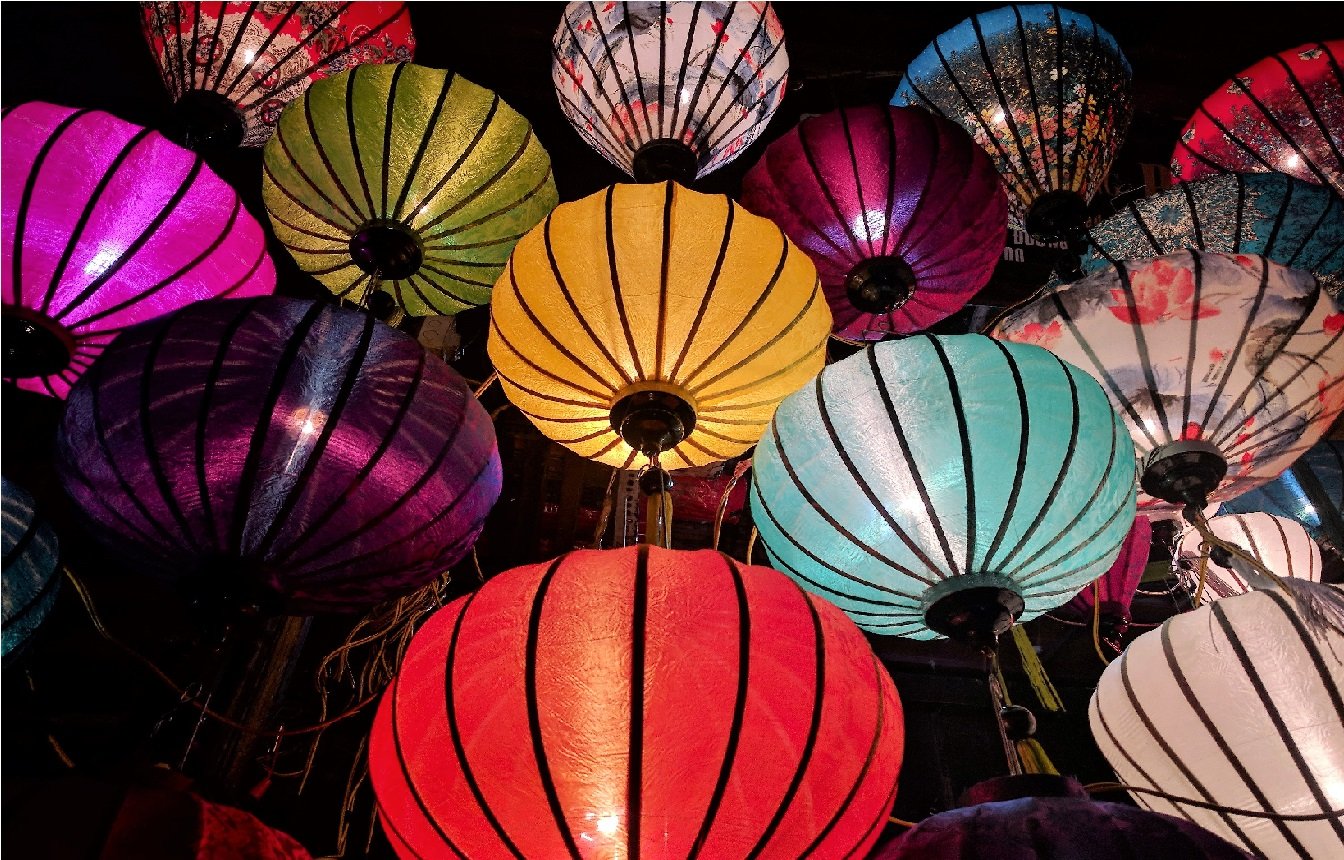
Introduction: In recent years, the world has seen a rapid increase in the popularity of learning the Chinese language. As China's influence in the global economy continues to grow, more and more people are recognizing the value of speaking Mandarin as a valuable skill in various industries. This trend is not only impacting international business interactions but is also influencing the way lighting is considered in multi-family mixed-use projects in the United States. In this blog post, we will explore the connection between Chinese language learning and its impact on lighting design in such projects. 1. The Demand for Chinese Language Learning: The demand for Chinese language learning is skyrocketing, with individuals and organizations acknowledging the economic opportunities presented by China's booming market. From business professionals to students, people are investing their time and resources to become fluent in Mandarin. As a consequence, architects, designers, and developers have started recognizing the importance of accommodating the preferences of Chinese-speaking clientele in various aspects, including lighting choices. 2. Cultural Considerations in Lighting Design: Chinese culture places a strong emphasis on harmonious and balanced design principles. This cultural aspect has a significant influence on how lighting is implemented in multi-family mixed-use projects in the USA. Chinese-speaking residents tend to look for lighting fixtures that reflect their cultural aesthetics and values, such as the use of warm and soft lighting, intricate lamp designs, and accent lights to highlight specific areas or objects. By incorporating these preferences, developers can create a welcoming environment that caters to the needs of the growing Chinese-speaking population. 3. The Role of Lighting Technology: Lighting technology has evolved significantly in recent years, providing more flexibility in design options. Chinese-speaking clientele often prefers smart lighting solutions that offer programmable controls, color-changing options, and compatibility with voice-activated virtual assistants like Siri or Alexa. Integrating these advanced lighting systems into multi-family mixed-use projects can enhance the overall living experience and appeal to the tech-savvy preferences of Chinese-speaking residents. 4. Lighting as a Cultural Bridge: In multi-family mixed-use projects, lighting plays a vital role not only in functionality but also in creating a sense of community and connection. Developers can strategically use lighting to celebrate cultural events and festivals important to the Chinese-speaking community. For example, using decorative lighting during Chinese New Year or creating unique lighting installations for the Mid-Autumn Festival can foster a sense of inclusivity and make residents feel at home. This approach not only enhances the overall ambiance but also demonstrates an understanding and appreciation for diverse cultural backgrounds. Conclusion: The rise in Chinese language learning is transforming various industries, and the impact is evident in the design and implementation of lighting in multi-family mixed-use projects in the USA. The preferences and cultural considerations of Chinese-speaking residents are increasingly influencing lighting decisions, creating a more harmonious and culturally inclusive environment. By incorporating these elements into their projects, developers can cater to the growing demographic, strengthen community connections, and establish successful multi-family mixed-use projects that resonate with both Chinese-speaking and non-Chinese-speaking residents alike. Curious to learn more? Click on http://www.lumenwork.com You can also Have a visit at http://www.alliancespot.com For a deeper dive, visit: http://www.soitsyou.com For the latest insights, read: http://www.sugerencias.net


